Hawaii Trip Report, Part II - Why Are There So Many Chickens in Hawaii?
Environmental observations from Kauai and Oahu
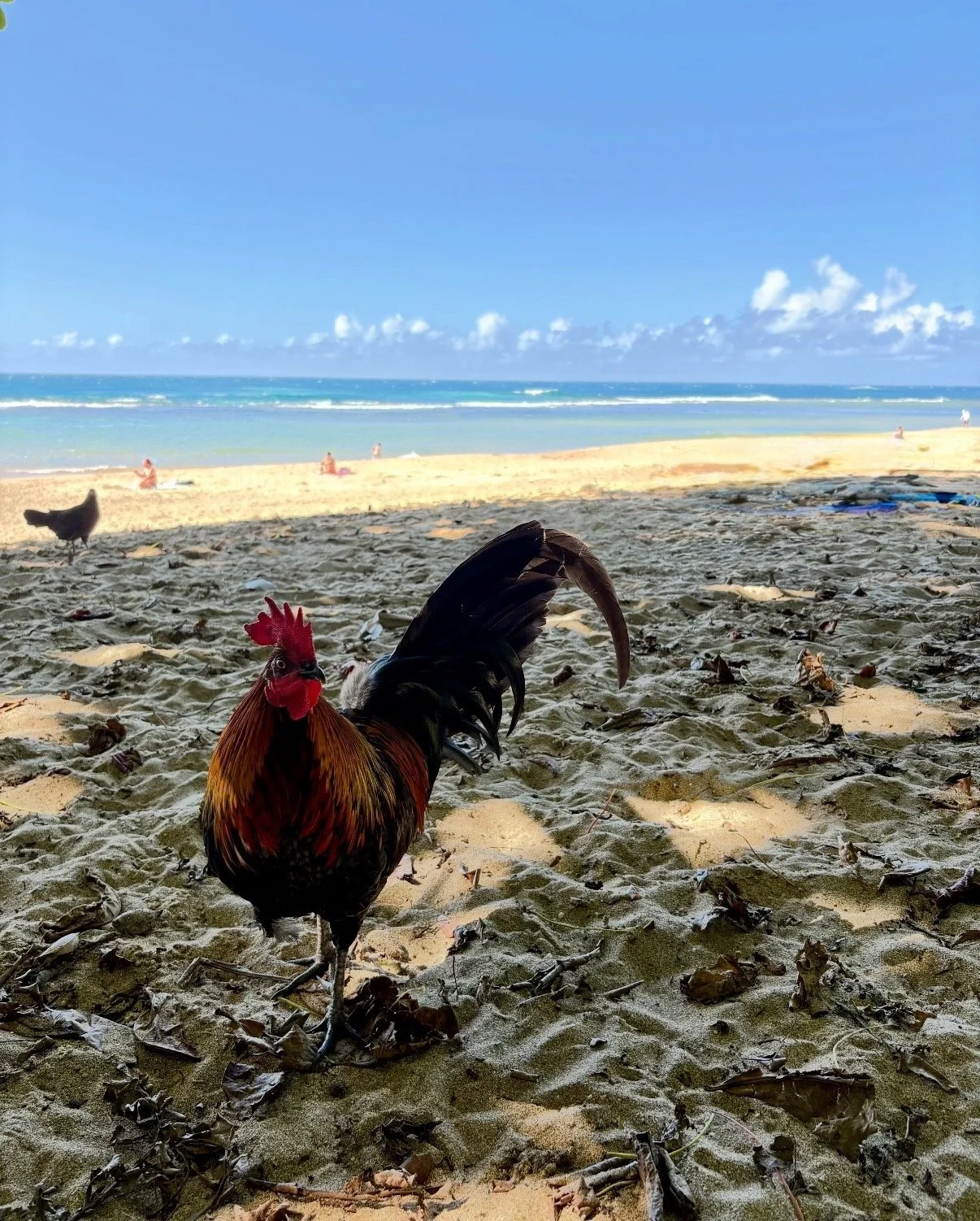
Wild chickens are a common sight across Hawaii.
Introduction
During our family trip to Kauai and Oahu, I noticed something unexpected: wild chickens everywhere. Even though chickens are not directly related to water conservation, they help explain how ecosystems change when humans introduce new species.
A Surprising Sight
Chickens appeared in many places, including beaches, parking lots, local markets, and residential neighborhoods. They seemed comfortable around people and were part of everyday life.
With few natural predators, chicken populations grew rapidly.
How Chickens Became Feral
Chickens were originally brought to Hawaii by Polynesians and later by Europeans for food and farming. Hurricanes damaged farms and cages, allowing many chickens to escape and form feral populations.
Because Hawaii has very few natural predators and a warm climate, their population increased quickly.
Environmental Impact
Feral chickens can compete with native birds for food, disturb soil, and contribute to ecological imbalance. Their presence shows how human-introduced species can have long-term environmental effects.
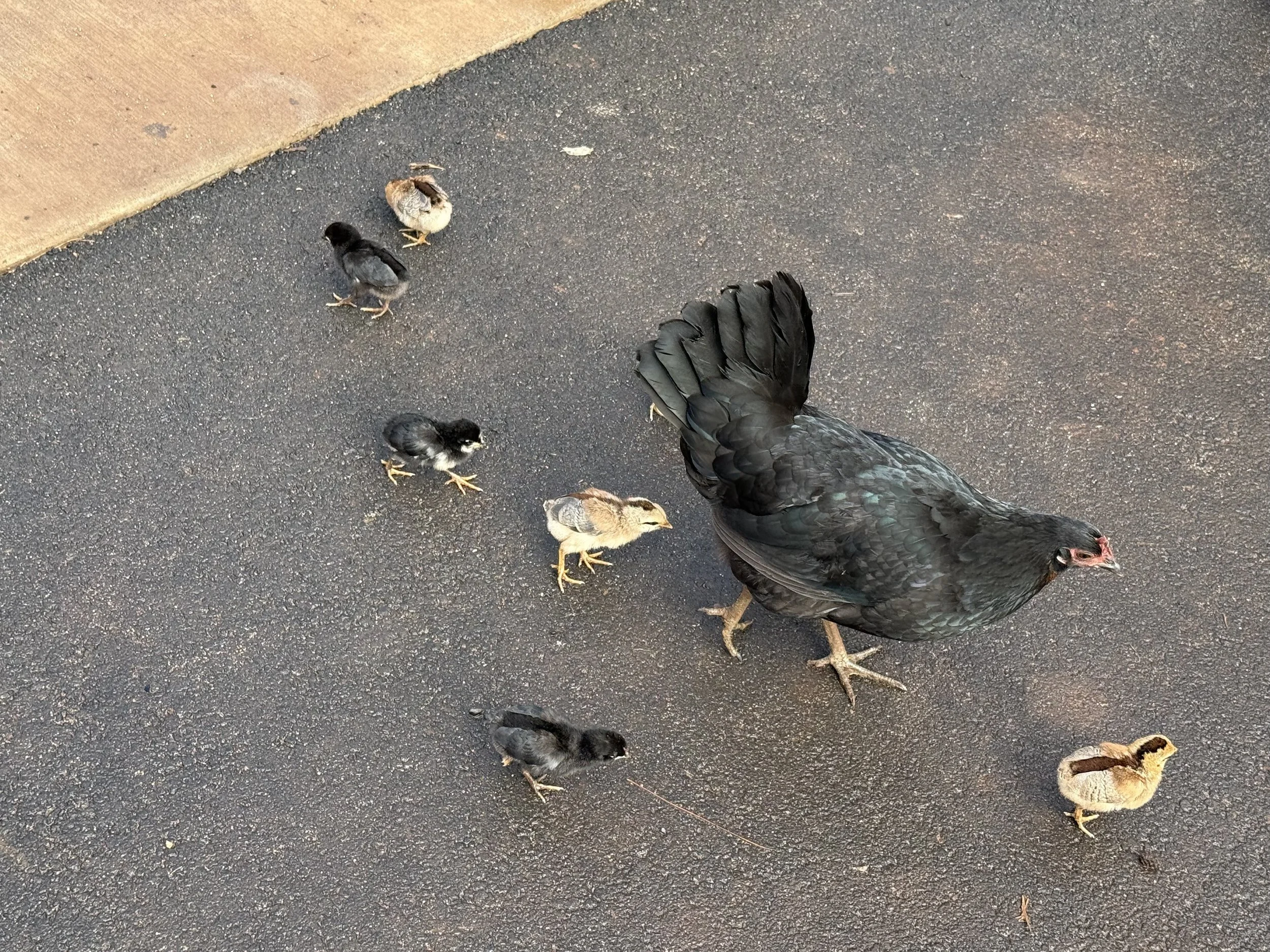
Family of chickens found in Kilauea Point Lighthouse
Conclusion
The abundance of chickens in Hawaii demonstrates how ecosystems respond to human influence. Even though this topic is not specifically about saving water, it is still an important part of environmental research and awareness.
